
Daily news, dev blogs, and stories from Game Developer straight to your inbox
Changing acquired studios' core identity consistently leads to doom, says Nightdive Studios CEO
Why don't large publishers acquire companies and let them do what they do best?
schedule5 Min Read
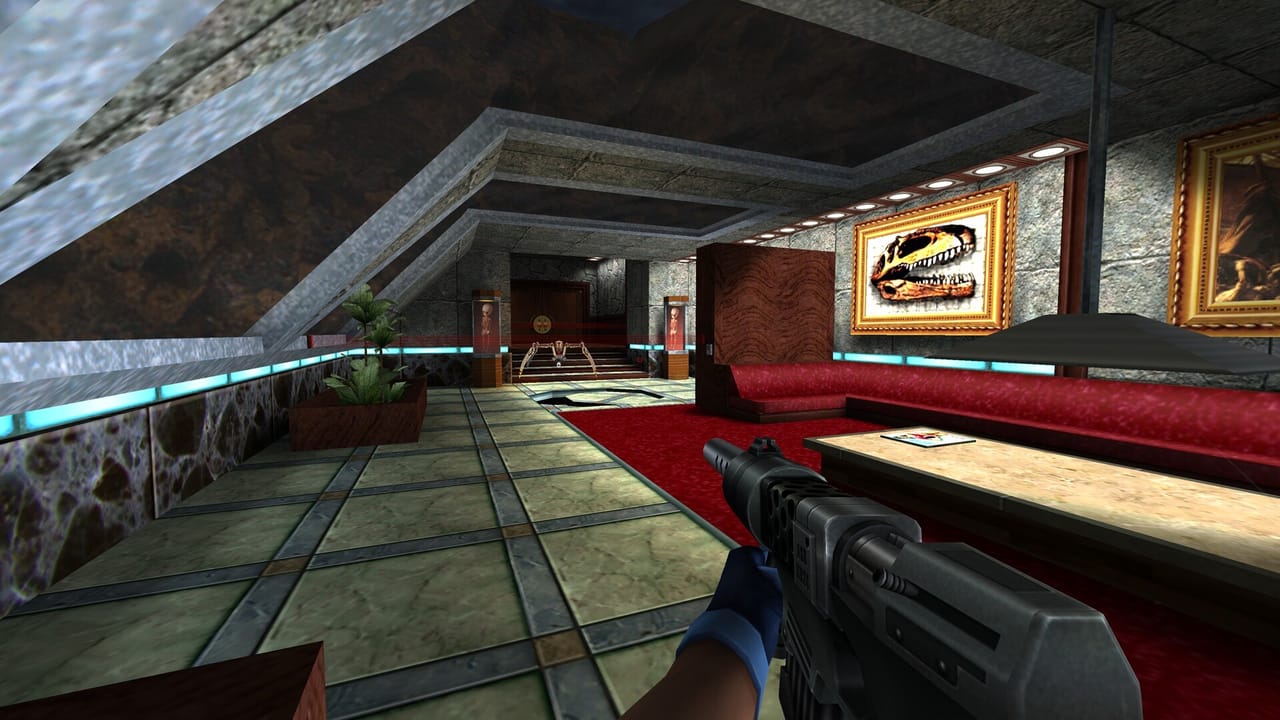
Image via Nightdive Studios/Atari
Game industry professionals have every reason to jump at the word "acquisition" in 2026. After a barrage of major roll-ups and mergers from 2020 through 2022, the crushing layoffs that have taken place at the companies that went on extreme spending sprees loom large over every new high-profile transaction. Atari was one such company—but so far it's avoided any such cuts, and has continued its spending spree through 2026.
These haven't been cheap purchases either. Atari's slate of acquired companies include organizations like Crossy Road developer Hipster Whale, MobyGames, Digital Eclipse, and Nightdive Studios, each transaction going for anywhere from $1 million to $40 million, with other transactions and investments still in motion. So far those financial moves seem to be paying off—and according to Nightdive CEO Stephen Kick, it's partly because Atari has done little to muck with its business model of remastering and remaking classic games.
Speaking to GameDeveloper.com at PAX West 2026, Kick explained that life under Atari has been going "really well," and that the company has successfully removed certain logistical barriers like payroll management, tax duties, and other operational responsibilities that aren't "game development centric."
His positive outlook is a rare one to encounter of late, given the aforementioned disasters that have befallen many purchased game studios. As CEO he's certainly in a position to be biased about his company's state of affairs, but he made a compelling case to back up his point.
At Nightdive, Kick and his colleagues delve through the wreckage of long-gone game studios in search of source code, assets, and documentation to bring these games back to life. And in studying these doomed studios, he's noticed a consistent pattern. Companies that order newly-acquired teams to change their practices or alter them to fit developing trends, tend to be the ones closing those studios years later.
Kick pointed to a number of high-profile publishers guilty of this practice—but his best example, Electronic Arts, proved to be a timely pick.
Electronic Arts is a case study for Kick's studio management theory
Weeks after our conversation with Kick, Electronic Arts made headlines by shutting down Mass Effect and Dragon Age developer BioWare, one of the publisher's most beloved subsidiaries. But before BioWare (which EA acquired in 2007), companies like Bullfrog Productions, Westwood Studios, and Mythic Entertainment suffered a similar fate. Kick explained that they and other studios struggled post-acquisition because of meddling by their new owners.
"These are companies that were on the forefront of creating these amazing, varied experiences from title to title, and doing whatever it was they felt creatively fulfilled by," he said. "They got acquired and then suddenly it's 'you can't do that anymore, you're going to work on this one thing.'"
Former EA employees have long shared Kick's point of view, and even BioWare fits this pattern because despite its 19-year run under EA. Former employees have claimed the publisher's hunger for live service revenue collided with the studio's strengths at making single-player role-playing games.
According to Kick, Atari's decision to not interfere with Nightdive's business model is an industry outlier. "When a triple-A or first-party publisher sees a team with a lot of potential and success, they often go out, they acquire them, and [don't] let them continue to do what made them successful in the first place," he said. "They tried to fit that square peg into a round hole within their system."
He added that this practice can be a "disservice" to the acquired studios, saying they should be "allowed to stretch their creative muscles and do what it was they enjoyed doing, because that's where their success comes from."
Nightdive's evolution shows how rewarding studio strengths can play off
Kick acknowledged that for large companies, it can be risky to let studios stay in their existing lane if they aren't returning financial dividends. But he has lived experience to back up his claim—Atari's strategy, he said, has been to let Nightdive and other subsidiaries like Digital Eclipse and Implicit Conversions play to their respective strengths. Now, thanks to the sheer passage of time, Nightdive's audience now includes fans of modern titles that take direct inspiration from the games it remasters.
Kick described this phenomenon as the result of an "ecosystem" that puts their classic titles in the same market segment as modern games and genres inspired by the classics. He praised the publisher New Blood's investment in the "boomer shooter" genre, which introduced a new generation of players to the first-person shooter aesthetic and gameplay of titles like SiN Reloaded and Blood: Fresh Supply.
Just scroll down on the Steam page for Blood and you'll see recommendations for games like Ultrakill and the Warhammer Boltgun series—both love letters to older first-person shooters.
" I think that really helped solidify this community of people that wanted to play games like [those]," he said. "They provide the new experiences in that arena, and we bring back the old ones that inspired it. It's this complimentary cycle of 'here's a game that you probably heard of but could never play, and then here's a new one that is clearly inspired by that.'"
Atari's strategy won't work for every company, but Kick's explanation for how Nightdive has fared under its guidance shows how companies can take a long-term view of their freshly-acquired studios. Even if they don't keep up with evolving trends, their output can remain valuable as audience taste shifts and what was once tired and stale becomes fresh and revitalized.